
Customising Residential Facades
Residential architecture is moving beyond standardised facades, with growing demand for customised forms, refined detailing and layered materiality. This white paper explores how Aluminium Composite Materials (ACMs) support design flexibility, durability and compliance, helping architects deliver distinctive residential facades that are both buildable and suited to Australian conditions.
Residential design in Australia is shifting toward greater facade customisation, with architects expected to deliver unique designs that respond to site, lifestyle and identity. This move away from standardised forms and material palettes introduces new challenges around constructability, durability and regulatory compliance. Facade systems must now support increasingly ambitious designs while performing reliably in demanding environmental conditions. Aluminium Composite Materials (ACMs) offer a pathway to balance these requirements through controlled fabrication, finish consistency and lightweight construction.
Customising Residential Facades: Aluminium Composite Materials in Design and Specification examines how ACM systems can support more refined and buildable facade solutions for modern residential projects. It outlines key design opportunities, performance characteristics and customisations relevant to residential applications. A focus is placed on specification approaches that support durability, compliance and construction efficiency within the Australian context.
ALPOLIC™ is a high-performance aluminium composite cladding system that supports architectural expression and NCC compliance, with non-combustible and fire-retardant options backed by CodeMark certification and NCC compliance. It also offers durable, low-maintenance performance through Lumiflon FEVE coatings, supported by a 20-year warranty and an Environmental Product Declaration. In Australia and New Zealand, ALPOLIC™ is exclusively distributed by Network Architectural, who provide local technical support from specification through to project delivery.
Related Articles
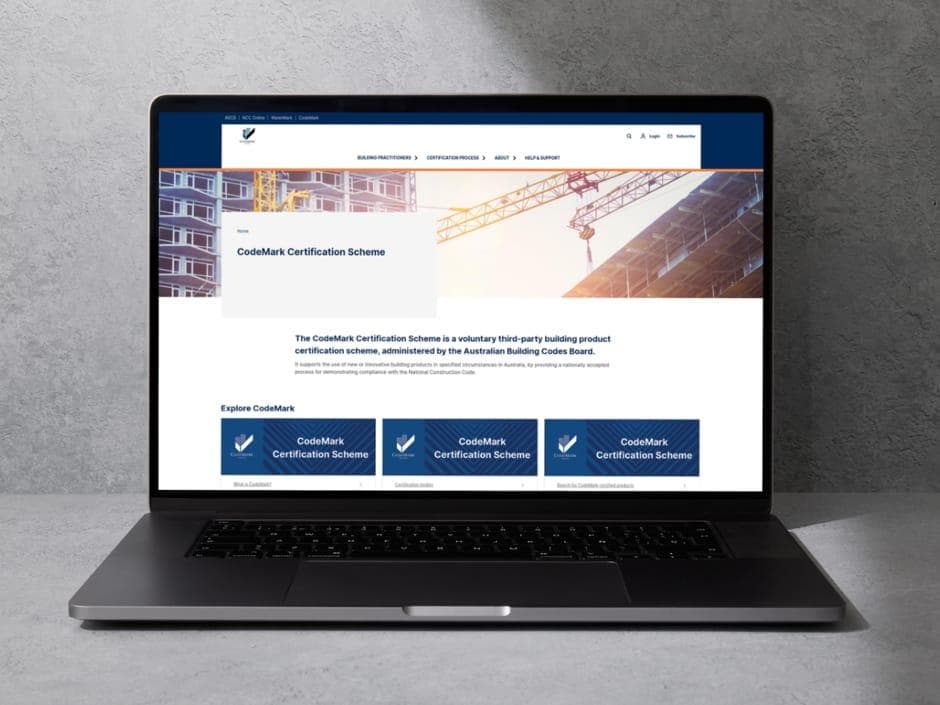
CodeMark Certification: Why Current, Valid Certification Matters For Your Next Project
Current CodeMark certification plays an important role in building product compliance and specification confidence. This article explains why certificate validity matters, what to check before relying on a CodeMark Certificate of Conformity, and how expiry dates, supporting documentation and manufacturing locations can impact product selection and project risk.

Ceiling Systems as Infrastructure: Designing Flexible, Energy-Efficient Data Centres
As data centres grow in scale and complexity, ceiling systems are playing a more critical role in performance. This white paper explores how ceiling design influences airflow, cooling efficiency and service coordination, helping architects deliver flexible, energy-efficient data centres that can adapt to evolving technology demands.

Recladding with Confidence: How the University of Sydney Delivered a Future Proof Façade
When the University of Sydney reclad the Charles Perkins Centre, compliance alone was not enough. This article explores how a premium, maintenance-free façade solution delivered long-term confidence, design integrity and fire compliance, restoring one of the campus’s most recognisable buildings with a future-proof architectural outcome.